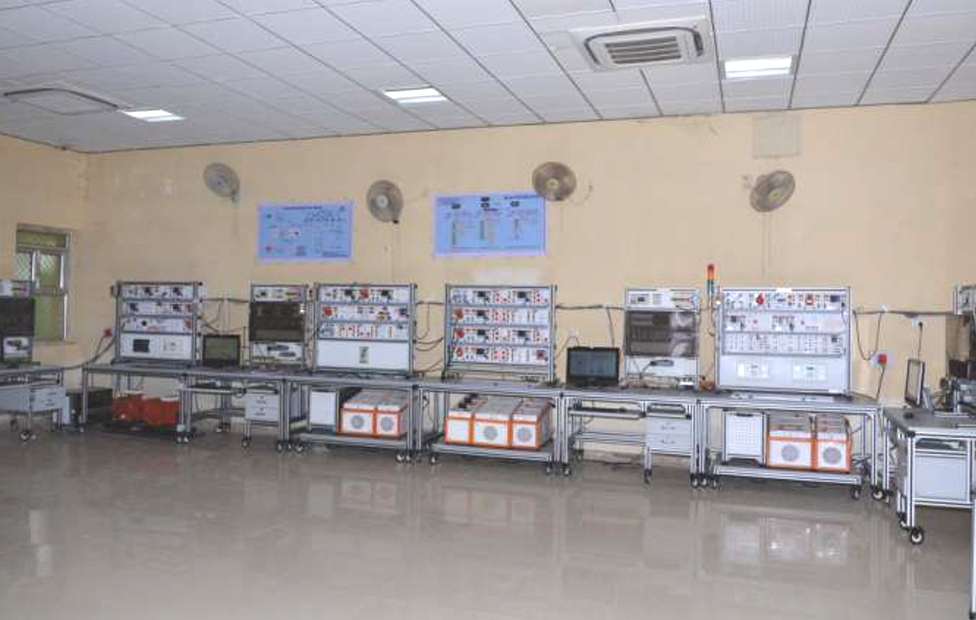
How to Plan and Set Up a TVET Training Laboratory
Technical and Vocational Education and Training (TVET) laboratories play a vital role in modern technical education. These laboratories provide students with practical experience that complements classroom learning. Therefore, setting up a well-equipped TVET training laboratory helps institutions prepare students for real-world industrial environments.
Define Training Objectives and Courses
The first step in setting up a TVET training laboratory is identifying the training programs that the institute plans to offer. Different technical fields require different laboratory equipment and training systems. For example, programs in electrical engineering, electronics, automation, or mechanical engineering require specialized training modules.
Institutions should evaluate their curriculum and determine the practical skills students need to develop. This helps in selecting the appropriate training equipment and laboratory infrastructure.
Select Suitable Training Equipment
A successful TVET laboratory must include practical training equipment that allows students to perform real experiments and technical exercises. These systems help students understand theoretical concepts through hands-on learning.
Institutions can explore a wide range of engineering training systems and laboratory equipment in the following product showcase:
https://www.aseducationalkits.com/products-showcase/
Additionally, specialized training and skill development equipment designed for technical education and vocational institutes can be explored here:
https://interlabs.in/product-category/training-and-skill-development/
These solutions support modern vocational training programs and help students gain practical technical knowledge.
Plan the Laboratory Layout and Safety Measures
A well-designed laboratory layout improves learning efficiency and ensures safety during experiments. Therefore, institutions should create separate workstations for different experiments, instructor demonstration areas, and proper storage for tools and components.
Moreover, safety equipment such as protective gear, electrical safety systems, and ventilation should be included in the laboratory design. Clear safety guidelines and proper training help students perform experiments responsibly.
Include Supporting Laboratory Equipment
In addition to engineering training systems, laboratories often require supporting scientific tools and measurement equipment. For example, laboratories that involve chemistry or material testing may require glassware such as beakers, flasks, and measuring cylinders.
You can explore a range of laboratory beakers and scientific glassware here:
https://www.iwaki-pyrex.com/products-category/beakers/
These essential laboratory tools help students perform accurate experiments and understand scientific procedures.
Train Instructors and Develop Practical Modules
A TVET laboratory becomes effective when instructors guide students through structured training modules. Therefore, institutes should develop experiment manuals, training guides, and step-by-step practical exercises. This approach helps students learn technical concepts while improving their problem-solving abilities.
Conclusion
Setting up a modern TVET training laboratory requires careful planning, appropriate equipment, and a safe learning environment. By selecting the right training systems and designing a practical laboratory space, institutions can provide students with valuable technical skills and industry-ready knowledge.
Well-equipped TVET laboratories help strengthen vocational education and support the development of skilled professionals for modern industries.